

Quick Warehouse Cleaning Checklist
- Entrances and reception: Floors, doors, glass, mats, and high-touch surfaces
- Warehouse floors: Dust, dirt, debris, spills, and marked areas
- Loading docks: Dock floors, doors, staging areas, and debris
- Storage and racking: Shelving, aisles, accessible surfaces, and accumulated dust
- Packing and shipping: Workstations, tables, floors, and waste
- Break rooms and kitchens: Counters, tables, appliances, floors, and trash
- Restrooms: Fixtures, floors, mirrors, supplies, and waste
- Offices: Desks, shared surfaces, floors, and trash
- Shared equipment: Handles, controls, work surfaces, and other frequently touched areas
Arizona is a major hub for warehousing, distribution, and logistics, with facilities supporting everything from local businesses to national supply chains. In 2025, IBISWorld counted 6,090 establishments in Arizona’s storage and warehouse leasing industry. Greater Phoenix alone had about 4.7 million sq. ft. of industrial inventory in Q2 2026.
As shipments come and go, a busy facility can go from clean to cluttered very quickly. Instead of treating every cleaning task the same, a warehouse cleaning checklist helps managers determine what needs attention each day.
Why Do You Need a Structured Warehouse Cleaning Checklist?
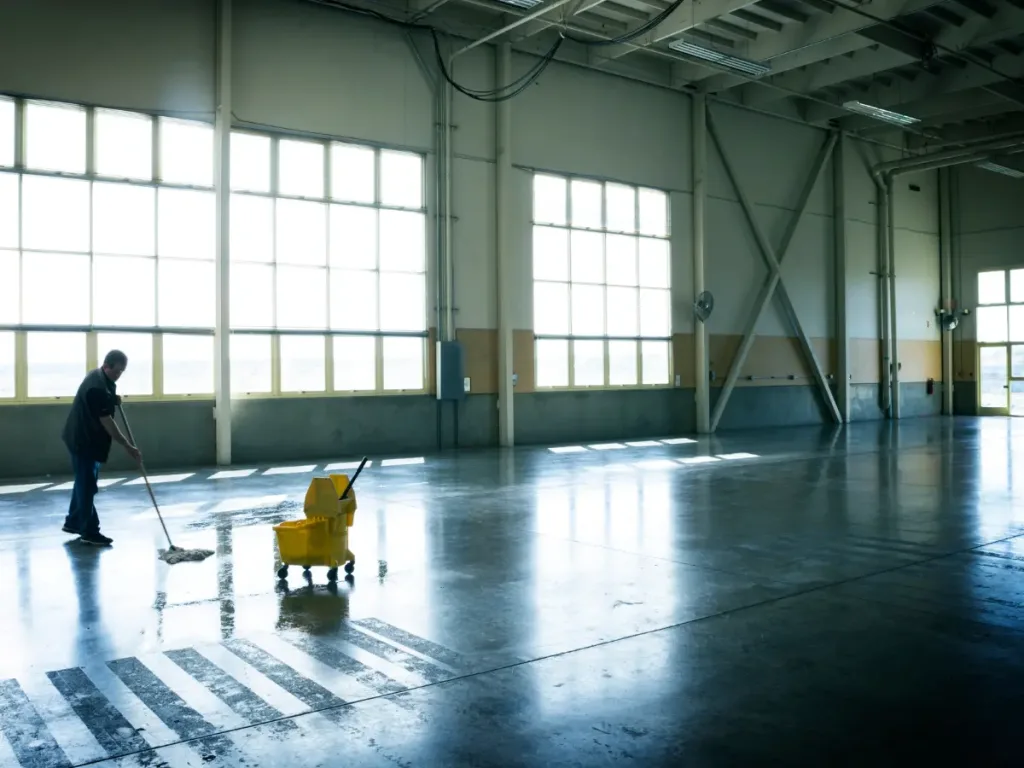
A warehouse maintenance checklist works better when it is planned rather than handled only when someone notices a mess. A well-organized checklist can help you:
- Keep responsibilities clear: Assign cleaning tasks to specific employees, teams, or service providers.
- Prevent tasks from being overlooked: Track routine and less-frequent cleaning needs across the entire facility.
- Prioritize high-traffic areas: Give loading docks, floors, packing areas, restrooms, and break rooms the attention they need.
- Work around warehouse operations: Schedule cleaning around shifts, deliveries, shipping activity, and other busy periods.
- Maintain a more organized facility: Regular cleaning helps keep work areas, aisles, and shared spaces orderly.
- Plan cleaning by frequency: Separate daily, weekly, and periodic tasks so teams know what needs attention now and what can be scheduled later.
- Identify when additional support is needed: If internal teams cannot consistently keep up with the cleaning schedule, professional warehouse cleaning services can fill the gap.
Free Warehouse Cleaning Checklists by Schedule
A warehouse does not need every cleaning task completed every day. The key is to divide responsibilities by frequency so employees or cleaning teams know what needs immediate attention and what can be handled on a weekly or monthly basis.
Use these warehouse housekeeping checklists as a starting point and adjust them based on your facility’s size, traffic, shifts, and operations.
Daily Warehouse Cleaning Schedule
Daily cleaning should focus on areas that see constant activity, collect debris, or are shared by employees throughout the day.
Weekly Warehouse Cleaning Schedule
Weekly tasks can cover areas that need more detailed attention but do not necessarily require cleaning every day.
Periodic & Monthly Warehouse Cleaning Schedule
Monthly and periodic industrial warehouse cleaning focuses on areas that are less frequently addressed or require additional time and planning. Some tasks may be scheduled quarterly or seasonally rather than every month.
Must-Clean Warehouse Areas
Not every part of a warehouse needs the same level of attention. Focus first on areas with heavy foot traffic, frequent handling, visible dirt or debris, and regular employee use, such as:
Entrances and Reception Areas
Keep entrances clean and presentable since they are the first areas employees, vendors, and visitors see.
- Sweep and mop floors
- Clean entry mats
- Wipe doors and handles
- Clean glass doors and windows
- Empty trash
Warehouse Floors
Warehouse floors can collect dust, dirt, packaging materials, and other debris throughout the day. Regular floor cleaning keeps these areas looking orderly and easier to maintain.
- Sweep, vacuum, or scrub floors
- Remove spills and debris
- Clean corners and floor edges
- Clear loose packaging and waste
- Clean high-traffic sections more often
Loading Docks
Loading areas see constant movement and can quickly collect dirt, cardboard, shrink wrap, and other debris.
- Sweep dock floors
- Remove loose debris and waste
- Clean around staging areas
- Wipe accessible doors and handles
- Keep walkways clear of cleaning-related clutter
Storage and Racking Areas
Dust can build up around shelving, racks, ledges, and aisles. Regular cleaning helps keep storage areas orderly.
- Dust accessible shelving and racks
- Sweep aisles
- Remove loose debris
- Clean accessible ledges and surfaces
- Keep aisles free of waste and clutter
Packing and Shipping Areas
Packing stations can accumulate cardboard, labels, packaging materials, and general waste quickly.
- Wipe worktables and surfaces
- Remove packaging waste
- Sweep or vacuum floors
- Empty trash and recycling
- Clean shared work areas
Break Rooms and Kitchens
These spaces need regular cleaning because employees use them throughout the workday.
- Wipe tables and counters
- Clean sinks and appliances
- Sweep and mop floors
- Empty trash
- Restock basic supplies
Restrooms
Restrooms should be cleaned regularly and checked throughout the day, especially in busy facilities.
- Clean toilets and sinks
- Wipe counters and fixtures
- Clean mirrors
- Sweep and mop floors
- Empty trash
- Restock soap, paper, and other supplies
Offices and Administrative Areas
Office areas may not have the same traffic as the warehouse floor, but they still need routine cleaning.
- Dust desks and surfaces
- Wipe shared equipment
- Vacuum or mop floors
- Empty trash
- Clean glass and doors as needed
High-Touch Surfaces and Shared Equipment
Some surfaces are handled repeatedly throughout the day and may need more frequent attention.
- Door handles
- Light switches
- Railings
- Shared workstations
- Equipment handles and controls
- Other frequently touched surfaces
In-House Cleaning vs. Professional Warehouse Cleaning Service
In-house cleaning can cover basic upkeep, while professional warehouse cleaning can take care of larger or more demanding jobs. Both options can work. It really comes down to your warehouse’s size, staffing, schedule, and day-to-day cleaning needs.
Here’s a quick look at how they compare:
| Factor | In-House Cleaning | Professional Warehouse Cleaning |
|---|---|---|
| Responsibility | Employees or internal team | Cleaning company |
| Scheduling | Based on employee shifts | Set around warehouse hours |
| Daily upkeep | Employees handle basic cleanup | Crew handles routine cleaning |
| Larger facilities | May need more staff | Scales with facility needs |
| Consistency | Depends on staff availability | Follows a set schedule |
| Specialized cleaning | May need extra equipment or training | May include added equipment or services |
| Operational disruption | Done alongside regular duties | Scheduled around operations |
| Cost structure | Internal labor and supplies | Based on size, scope, and frequency |
Desert Oasis Advice:
Why choose one when you can get both? With a hybrid setup, employees can handle daily upkeep like quick warehouse floor cleaning, while a professional cleaning service takes care of routine deep cleaning and larger tasks. This keeps the warehouse maintained without putting all the cleaning work on your staff.
When to Consider Booking Expert Warehouse Cleaning Services
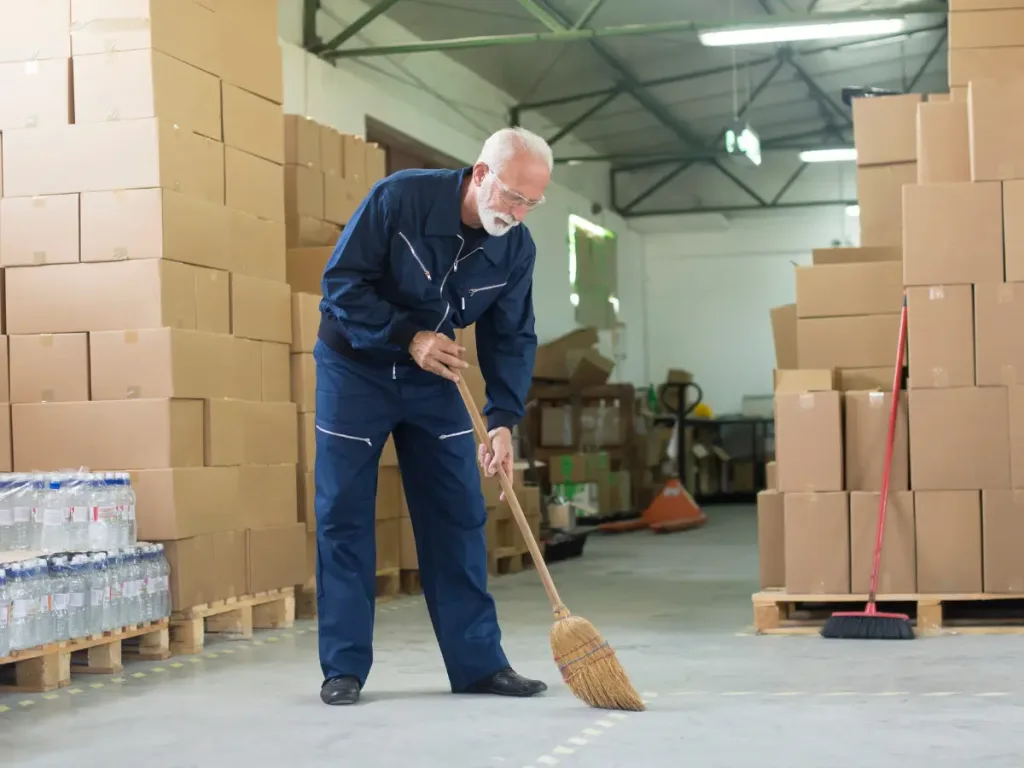
Professional warehouse cleaning may be worth considering when:
- Your facility is difficult to keep up with: Regular cleaning keeps getting pushed back.
- Your warehouse has heavy traffic: Busy operations create more dirt, dust, and debris.
- Your staff has limited time: Employees need to focus on their regular responsibilities.
- Your cleaning needs have grown: A larger facility may require more time, equipment, and support.
- You need consistent cleaning: A scheduled service can help keep routine tasks on track.
- You have a major cleanup coming up: Professional help can handle deeper cleaning or facility-wide projects.
While professional warehouse cleaning isn’t always needed for every warehouse, it helps to schedule one a few times a year or when internal teams can’t consistently keep up with deeper or scheduled cleaning. This way, you can tackle deeper cleaning needs and keep larger tasks from piling up.
Been a Minute Since Your Last Professional Warehouse Deep Clean?
Take this as your sign to book an expert warehouse cleaning service today—your space needs it.
Frequently Asked Questions
What is the best way to clean a warehouse?
The best approach is to follow a regular cleaning schedule based on your warehouse’s traffic and daily operations. Clean high-use areas more often and schedule deeper cleaning for floors, storage areas, restrooms, and other spaces as needed.
How often should a warehouse be cleaned?
Clean high-traffic areas daily, including floors, loading docks, restrooms, break rooms, and packing areas. Schedule weekly cleaning for areas such as storage spaces, offices, and accessible shelving.
Periodic cleaning can cover higher or less-accessible surfaces, racking, baseboards, doors, walls, windows, carpets, upholstery, and areas behind or under accessible equipment. Adjust the schedule based on your warehouse’s traffic, size, and operations.
What should be included in a warehouse cleaning checklist?
A warehouse cleaning checklist should cover floors, loading docks, storage areas, packing spaces, restrooms, break rooms, offices, entrances, and high-touch surfaces. It should also organize tasks by daily, weekly, and periodic cleaning needs.
What is included in professional warehouse cleaning services?
Professional warehouse cleaning services typically include floor cleaning, dust and debris removal, restroom cleaning, break room cleaning, trash removal, and cleaning of common areas. Services can vary based on the facility and its specific cleaning needs.
How often should warehouse floors be professionally cleaned?
Warehouse floors should be cleaned by employees daily, and professionally every week or month.
Get Industrial Cleaning Service Made For Warehouses Today
Your warehouse has enough moving parts. Cleaning shouldn’t be another one to worry about.
Desert Oasis Cleaners provides reliable commercial cleaning for busy warehouse facilities. We can build a cleaning plan around your schedule, traffic, and facility needs, so your team can focus on keeping operations moving.
Why choose Desert Oasis Cleaners?
- 20+ years of commercial cleaning experience
- Customized cleaning plans for your facility
- Flexible scheduling to work around your operations
- Month-to-month agreements with no long-term commitment
- Professional, trained cleaning staff